Menu
Y-DNA Haplogroup • Paternal Lineage

NO [

Y-DNA Haplogroup NO [

~45,000 years ago
Southeast Asia
1 subclades
Scroll to explore
Chapter I

The Story

The journey of Y-DNA haplogroup NO [

Origins and Evolution

Y-DNA haplogroup NO (commonly defined by markers ancestral to both haplogroups N and O) is inferred to have arisen in Southeast Asia during the Upper Paleolithic, roughly ~45 kya, as a descendant of the broader K2/K-M526 lineage. NO occupies a pivotal position in the Y‑chromosome phylogeny because it is the immediate ancestral node that split into the two large and geographically complementary daughter clades: N (frequent in northern Eurasia and Siberia) and O (extremely common across East and Southeast Asia and in many Neolithic farming populations). Directly observed, undifferentiated NO lineages are uncommon in modern populations because most surviving paternal lines have derived into N or O; nonetheless, NO represents the shared paternal ancestry from which major later expansions originated.

Subclades (if applicable)

The primary and biologically meaningful subdivisions beneath NO are its two descendant haplogroups:

  • Haplogroup N — predominates in northern Eurasia (Siberia, parts of Central and Northern Europe, and among Uralic‑speaking groups). Subclades such as N1 and N2 show patterns consistent with post‑glacial northward expansions and later movements into northeastern Europe.
  • Haplogroup O — by far the numerically dominant descendant of NO in East and Southeast Asia, with major subclades (for example, O1, O2 and their downstream branches) associated with the spread of agriculturalists, language families (Sino‑Tibetan, Austroasiatic, Austronesian, Tai‑Kadai, Hmong‑Mien) and later demographic events.

Because NO is the ancestral node for these lineages, most discussion of variation and population impact is framed through N and O; archaeological and genetic studies therefore typically track the histories of these child clades when assessing human prehistory in Eurasia.

Geographical Distribution

  • The origin in Southeast Asia is supported by phylogeographic patterns showing deep diversity of O (and presence of basal NO-derived lineages) in southern China and mainland/insular Southeast Asia. From this region, the two daughter clades differentiated and expanded in contrasting directions: O largely southward and eastward into East and Southeast Asia and the Pacific, N northward into Siberia and eventually into northeastern Europe.
  • In modern populations, O lineages are extremely common among Han Chinese and many Southeast Asian groups, while N is common among Siberian, some Central Asian, and several Uralic‑speaking and Finno‑Ugric populations in northern Europe. Low frequencies of NO-derived lineages also appear in parts of Central and South Asia, reflecting prehistoric gene flow and later historical movements.

Historical and Cultural Significance

  • NO itself predates Neolithic cultural complexes; however, its descendant lineages were central to major demographic processes tied to cultural transformations. Haplogroup O subclades are strongly associated with the demographic expansions of East Asian agriculturalists during the Neolithic (rice and millet farmers) and with later Austronesian dispersals into Island Southeast Asia and Oceania.
  • Haplogroup N lineages track post‑glacial re‑colonization of northern Eurasia and later movements of peoples associated with Uralic languages and Siberian cultural assemblages.
  • It is important to be cautious about assigning NO directly to specific archaeological cultures because NO is temporally and phylogenetically ancestral; archaeological associations are generally made through its descendant clades (for example, linking O subclades to Neolithic farming cultures in China or Austronesian expansion events, and linking N subclades to Mesolithic/Neolithic northern Eurasian cultural processes).

Conclusion
Haplogroup NO is a key Upper Paleolithic branching point in the Y‑chromosome tree whose biological significance comes from being the progenitor of two major Eurasian paternal lineages, N and O. While undifferentiated NO is rare in living populations, the subsequent histories of N and O reflect much of the post‑glacial peopling of northern Eurasia and the Neolithic and later expansions in East and Southeast Asia. Studies of NO therefore provide essential context for understanding how regional demographic, linguistic, and cultural patterns emerged across Eurasia.

Key Points

  • Origins and Evolution
  • Subclades (if applicable)
  • Geographical Distribution
  • Historical and Cultural Significance
  • Conclusion

Chapter II

Tree & Relationships

Phylogenetic context and subclades

Evolution Path

This haplogroup's evolutionary journey from its earliest ancestor to the present.

Steps Haplogroup Age Estimate Archaeology Era Time Passed Immediate Descendants Tested Modern Descendants Ancient Connections
1 NO [ Current ~45,000 years ago 🦴 Paleolithic 45,000 years 1 0 0
2 NO ~45,000 years ago 🦴 Paleolithic 45,000 years 4 238 12

Siblings (3)

Other branches from the same parent haplogroup

Chapter III

Where in the World

Geographic distribution and modern presence

Place of Origin

Southeast Asia

Modern Distribution

The populations where Y-DNA haplogroup NO is found include:

  1. East Asians (e.g., Chinese, Japanese, Koreans)
  2. Southeast Asians (e.g., Vietnamese, Indonesians, Filipinos)
  3. Central Asians (in lower frequencies)
  4. Some populations in Siberia
  5. Some populations in Northern Europe (through its descendant haplogroup N)
  6. Some populations in South Asia (in lower frequencies)

Regional Presence

East Asia High
Southeast Asia High
Central Asia Low
Siberia/Northern Asia Moderate
Northern Europe Low
South Asia Low
CHAPTER IV

When in Time

Your haplogroup in the context of human history

~50k years ago

Upper Paleolithic

Advanced tool-making, art, and cultural explosion
~45k years ago

Haplogroup NO [

Your Y-DNA haplogroup emerged in Southeast Asia

Southeast Asia
~20k years ago

Last Glacial Maximum

Peak of the last ice age, populations isolated

~10k years ago

Neolithic Revolution

Agriculture begins, settled communities form

~5k years ago

Bronze Age

Metalworking, writing, and early civilizations

~3k years ago

Iron Age
Iron tools, expanded trade networks
~2k years ago

Classical Antiquity

Greek and Roman civilizations flourish

Present

Present Day

Modern era

Your Haplogroup
Historical Era
Chapter IV-B

Linked Cultures

Ancient cultures associated with Y-DNA haplogroup NO [

Cultural Heritage

These ancient cultures have been linked to haplogroup NO [ based on matching ancient DNA samples from archaeological excavations. The presence of this haplogroup in these cultures provides insights into the migrations and population movements of populations carrying this haplogroup.

Early Buryat Kuenga Culture Lena River Culture Lokomotiv Culture Shamanka Culture
Culture assignments are based on archaeological context of ancient DNA samples and may represent regional associations during specific time periods.
Chapter V

Sample Catalog

Top 50 ancient DNA samples directly related to haplogroup NO [ or parent clades

50 / 50 samples
Portrait Sample Country Era Date Culture Y-DNA Match
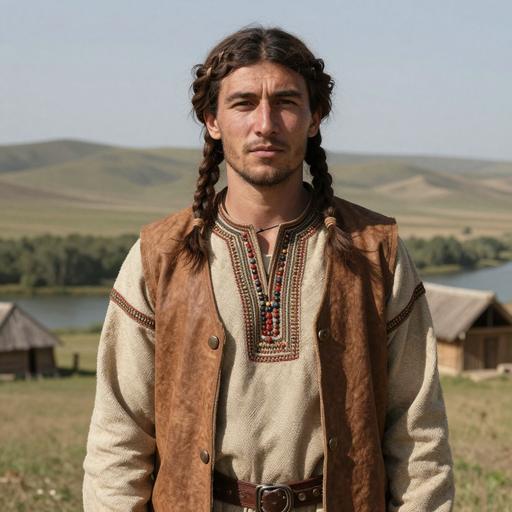
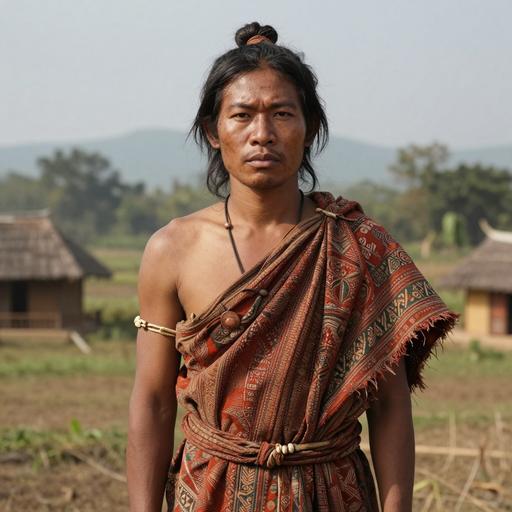
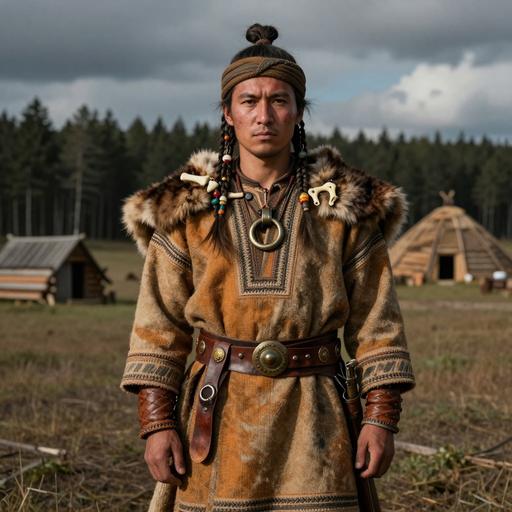
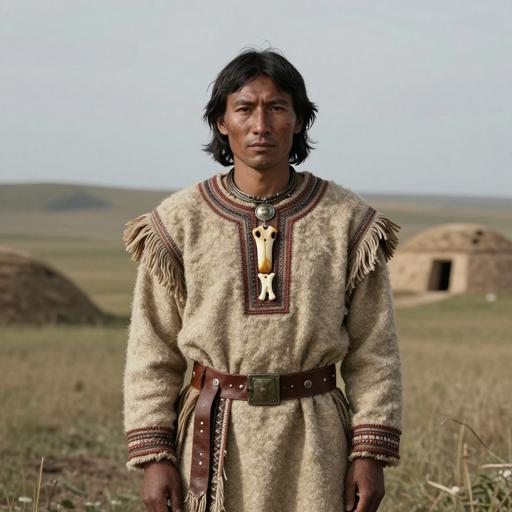
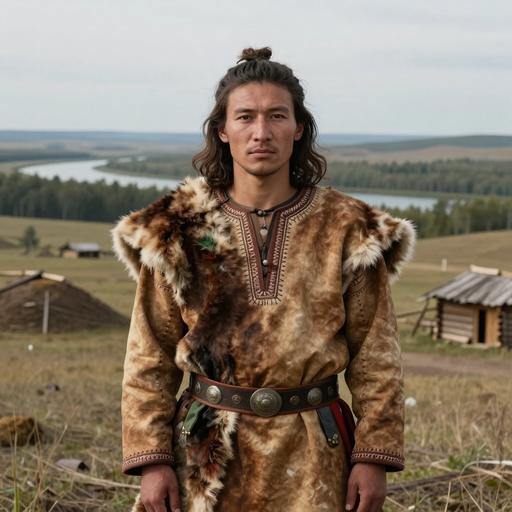
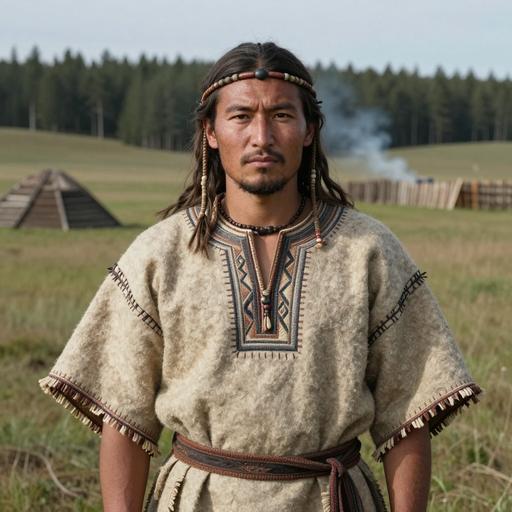
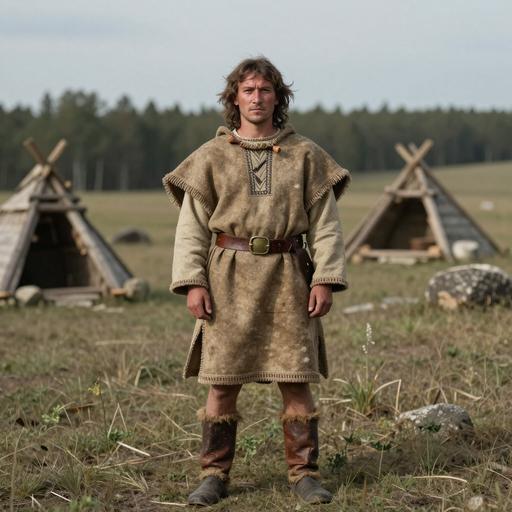
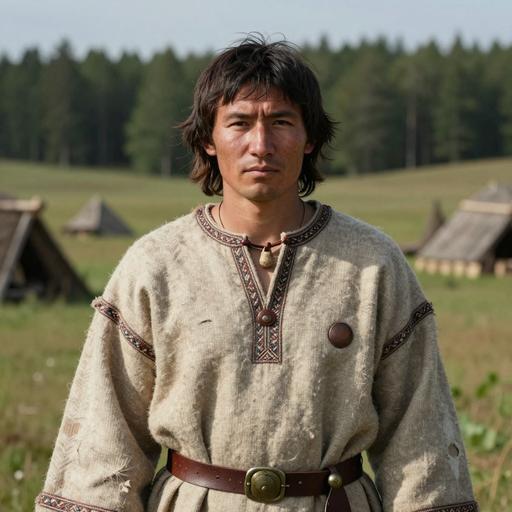
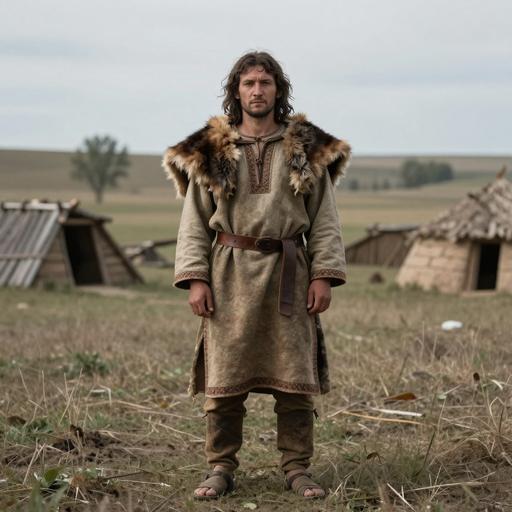
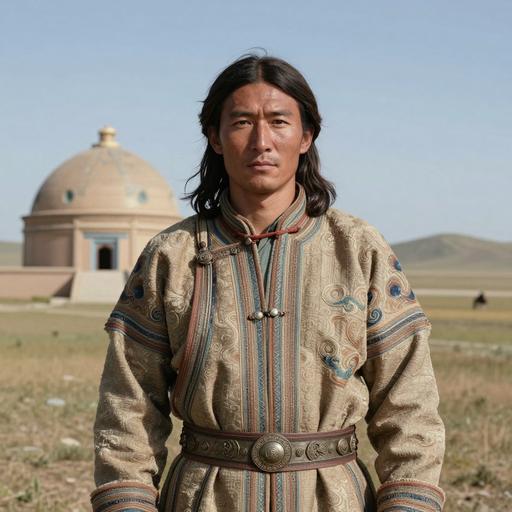
Portrait of ancient individual I15156 from Taiwan, dated 1 CE - 800 CE
I15156
Taiwan Iron Age Taiwan 1 CE - 800 CE Taiwanese Iron NO-M214 Direct
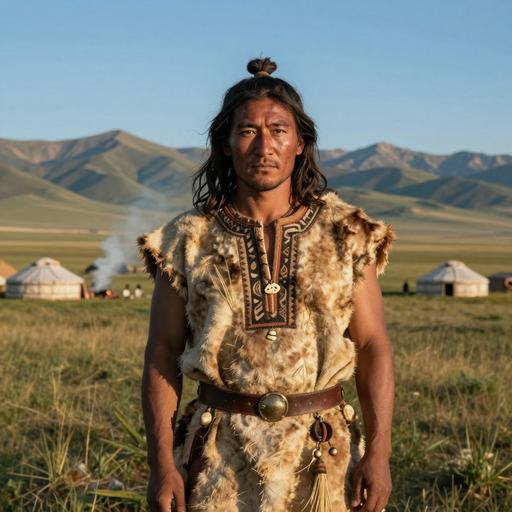
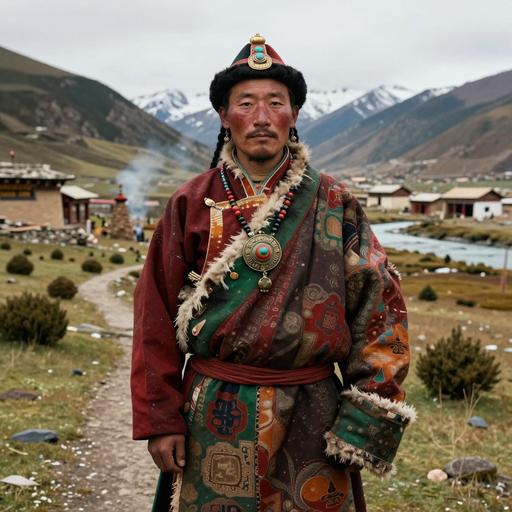
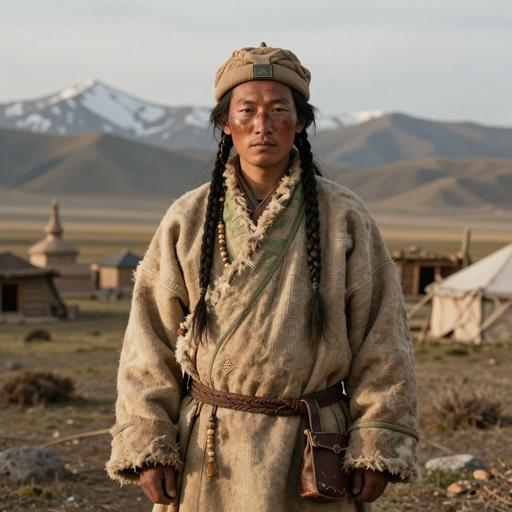
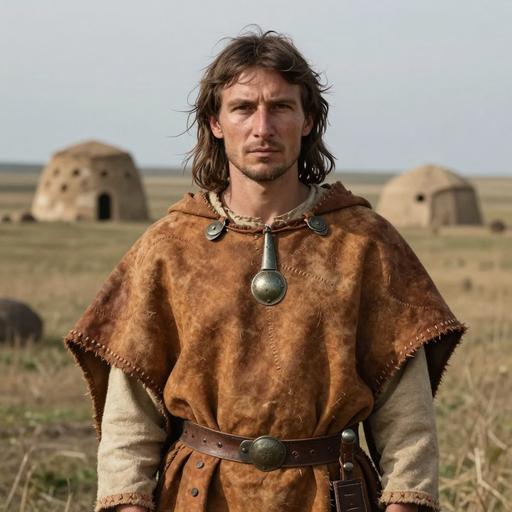
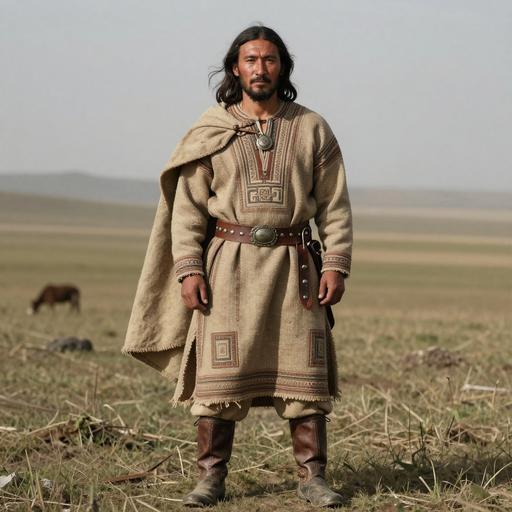
Portrait of ancient individual KHO007 from Mongolia, dated 26 CE - 125 CE
KHO007
Mongolia Middle to Late Bronze Age to Xiongnu to Late Medieval Khovd, Mongolia 26 CE - 125 CE Khovd Long-Term N-Tat Direct
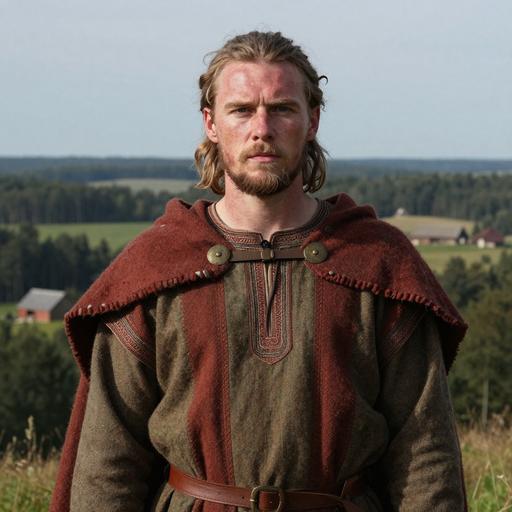
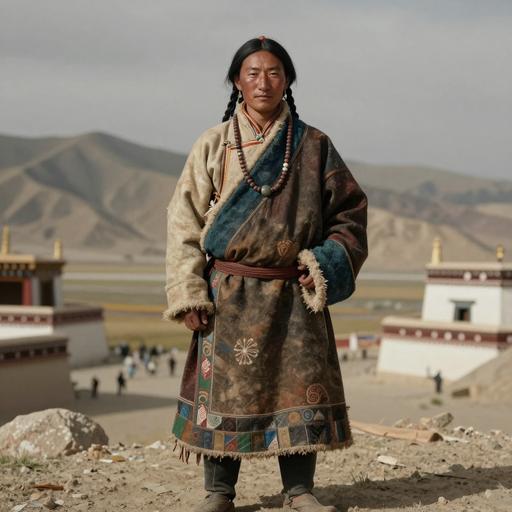
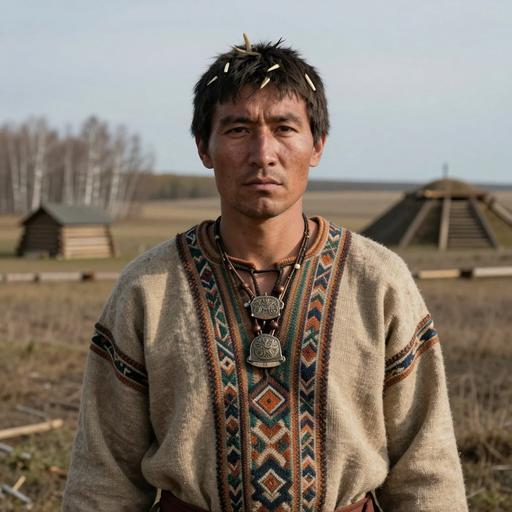
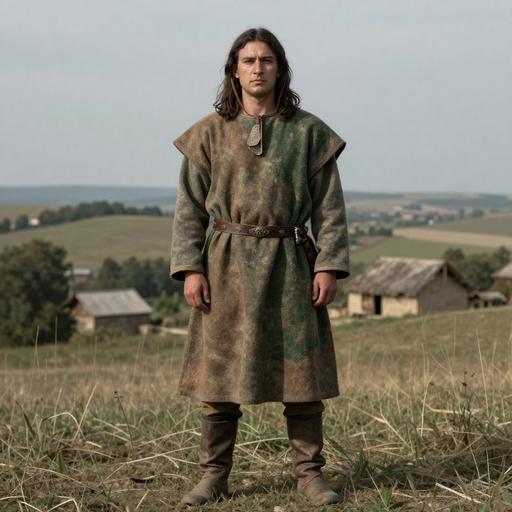
Portrait of ancient individual DA171 from Lithuania, dated 50 CE - 650 CE
DA171
Lithuania Late Antiquity Lithuania 50 CE - 650 CE Lithuanian Late Antiquity N-L1025 Direct
Portrait of ancient individual DA171 from Lithuania, dated 50 CE - 650 CE
DA171
Lithuania Late Iron Age Baltic Region 50 CE - 650 CE N-L1025 Direct
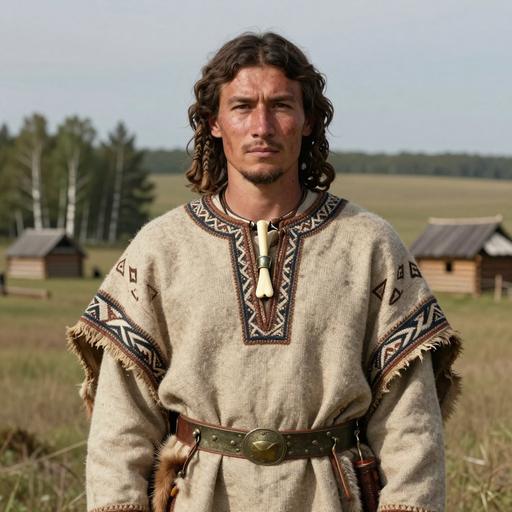
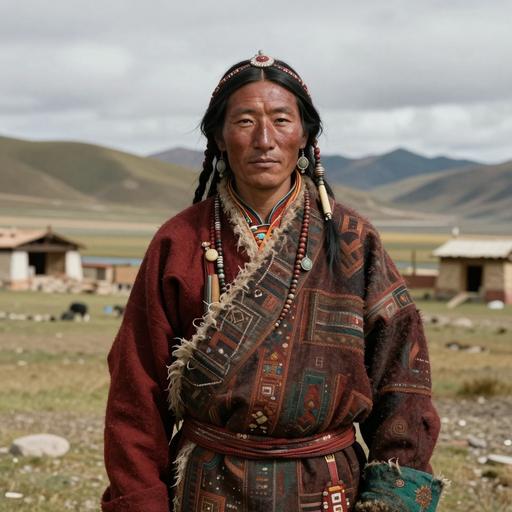
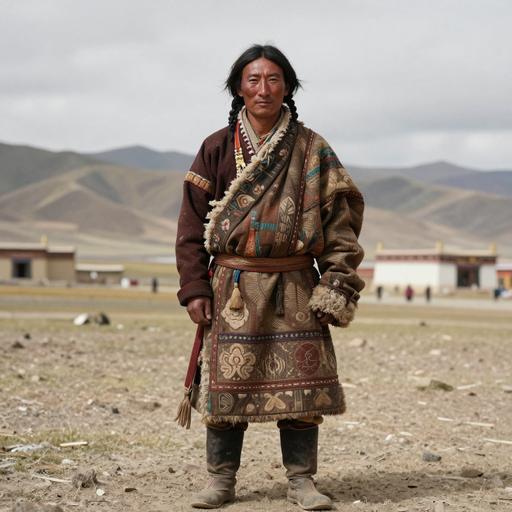
Portrait of ancient individual YUR001 from Mongolia, dated 52 BCE - 62 CE
YUR001
Mongolia Xiongnu Period Selenge, Mongolia 52 BCE - 62 CE Xiongnu Culture N-Y125475 Direct
Portrait of ancient individual IMA005 from Russia, dated 169 BCE - 44 BCE
IMA005
Russia Xiongnu Period Buryatia, Russia 169 BCE - 44 BCE Xiongnu Buryat N-P89 Direct
Portrait of ancient individual SON001 from Mongolia, dated 200 BCE - 100 CE
SON001
Mongolia Xiongnu Period Tuv, Mongolia 200 BCE - 100 CE Xiongnu Tuv N-CTS6380 Direct
Portrait of ancient individual BGD004 from Russia, dated 200 BCE - 1 BCE
BGD004
Russia Iron Age Sargat Culture, Russia 200 BCE - 1 BCE Sargat Culture N-L839 Direct
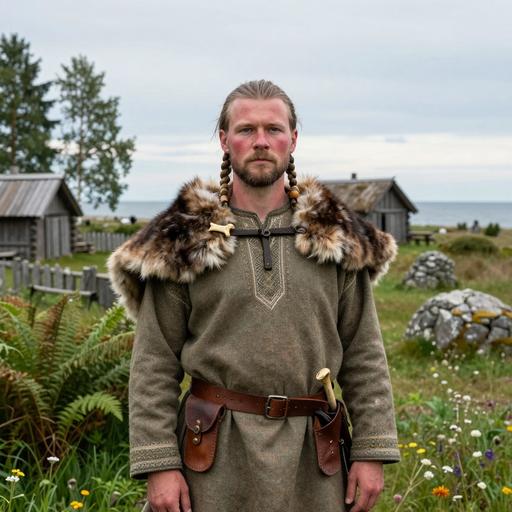
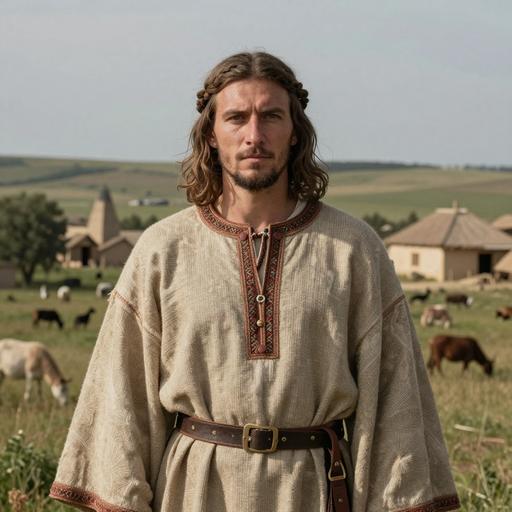
Portrait of ancient individual VK579 from Sweden, dated 200 CE - 400 CE
VK579
Sweden Iron Age Sweden 200 CE - 400 CE Nordic Iron Age N1a1a1a1a Direct
Portrait of ancient individual VK579 from Sweden, dated 200 CE - 400 CE
VK579
Sweden Iron Age Nordic Region 200 CE - 400 CE N-L550 Direct
Chapter VI

Carrier Distribution Map

Geographic distribution of 100 ancient DNA samples carrying haplogroup NO [

Time Period Filter
All Time Periods
Showing all samples
Each marker represents an ancient individual
Chapter VII

Temporal Distribution

Distribution of carriers across archaeological periods

Chapter VIII

Geographic Distribution

Distribution of carriers by country of origin

Chapter IX

Country × Era Distribution

Cross-tabulation of carrier countries and archaeological periods

Data

Data & Provenance

Source information and data quality

Last Updated 2026-02-16
Confidence Score 50/100
Coverage Low
Data Source

We use the latest phylotree for YDNA haplogroup classification and data.